Schema markup is an important component of modern SEO. You should always make sure that your visitors understand your content in the absolute best terms, but especially search engines as well. Therefore, it is of course essential to speak the same language. This is exactly where Schema markup is your best friend. Using structured data and code, you guide search engines to understand your pages and content elements. We guide you through what schema markup is and how to implement it on your website.
What is Schema Markup?
Schema markup, also known as structured data, can be added to your website. This form of structured data helps search engines understand the specific context of content, such as product pages, reviews, events and much more. Although search engines are extremely advanced and have evolved over time to be able to understand content much better, they still need help on their way. They don’t have eyes. If you read a list of concerts, you will quickly understand that it is an event program – a search engine will not. They need to be able to tell, for example through schema markup.
Fill more in search results with Schema Markup
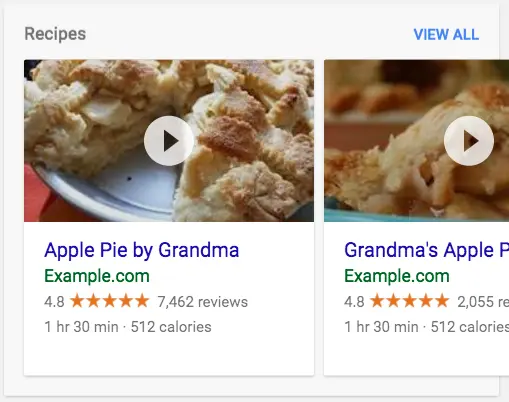
One of the biggest benefits of using schema markup is that it can fill your search results with more information, which can lead to higher click-through rates. Rich snippets, which can be generated using these code snippets, can display additional details such as product images, star ratings, and opening hours in search results. This means that your page can stand out from the competition and attract more attention from users, even if you are not necessarily number one on Google.
Example of how Schema markup looks in the SERP (search results):
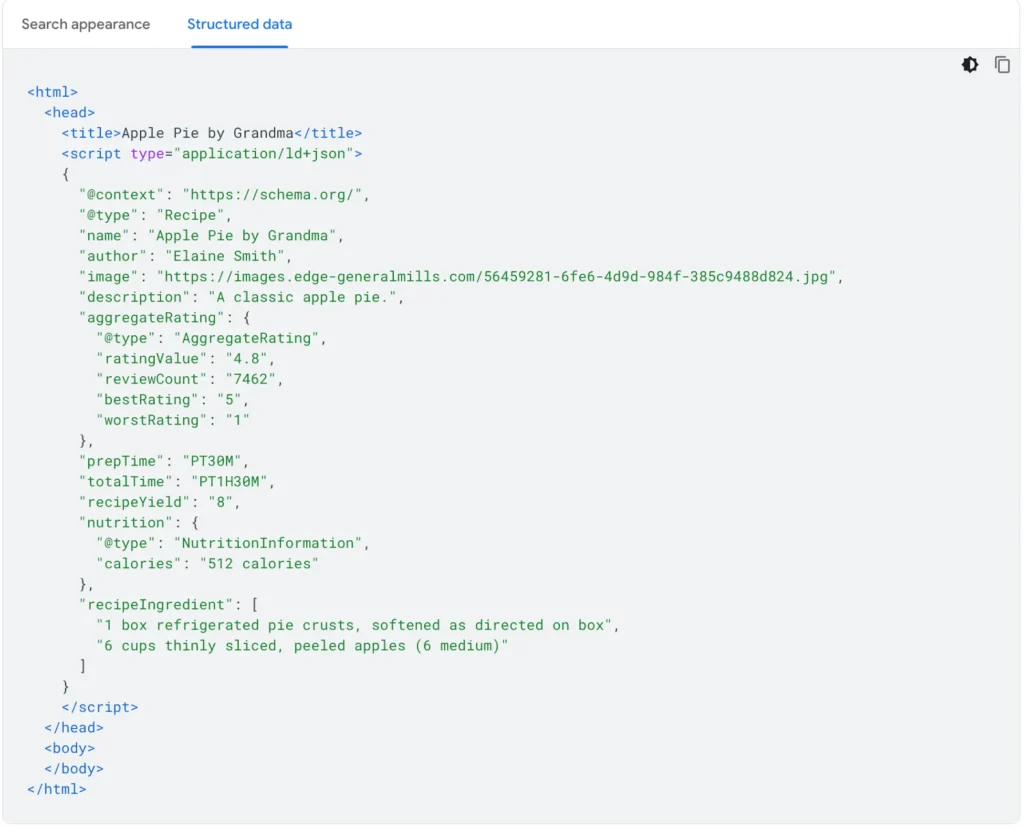
Example of what Schema markup looks like as code:
Should I use JSON-LD, microdata or RDFa?
When it comes to implementing schema markup, you have three standard options: JSON-LD, microdata, and RDFa. Of these three formats, Google itself recommends using JSON-LD. That’s why we also recommend using this form for your structured data.
JSON-LD (JavaScript Object Notation for Linked Data) is a method of embedding structured data directly into script tags in HTML. This format is non-invasive and makes it easier to add and maintain schema markup without changing the HTML structure itself.
Microdata and RDFa are more intrusive, as they require you to add extra attributes directly into your HTML tags. JSON-LD, on the other hand, keeps things neatly separated from your HTML code, making it the preferred choice for most developers and SEO specialists.
How to add Schema Markup to your website
If you want to add schema markup to your website, there are several ways to do it, depending on your technical skills and what your website is built on. Here are some basic steps on how to implement your structured data.
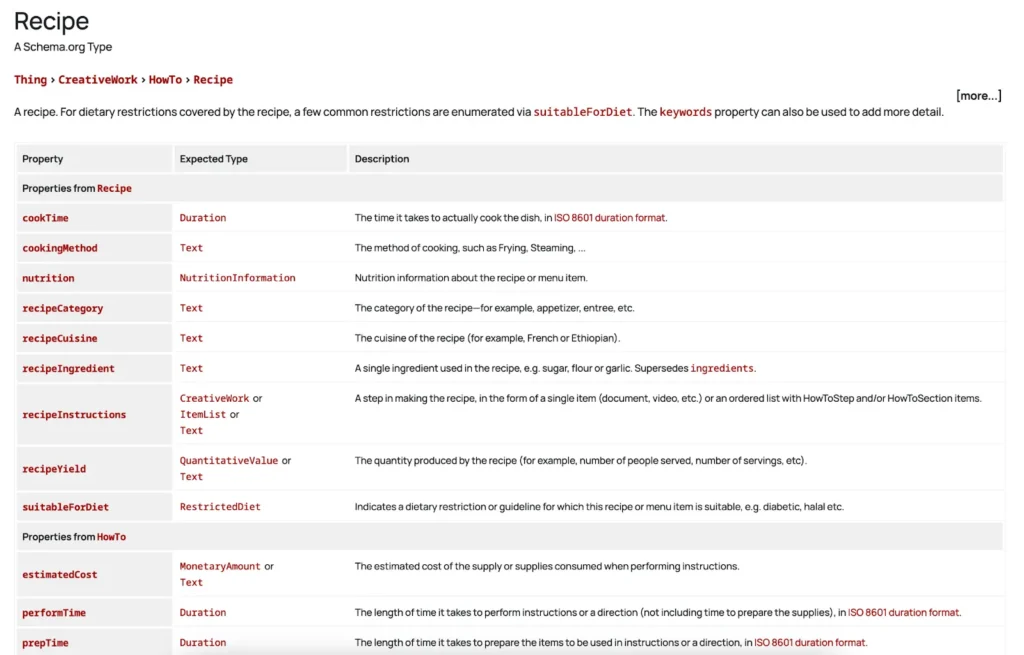
1. Choose the appropriate schema type: Go to Schema.org to find the type of schema that best suits the content you want to mark up. We’ll start with a recipe.
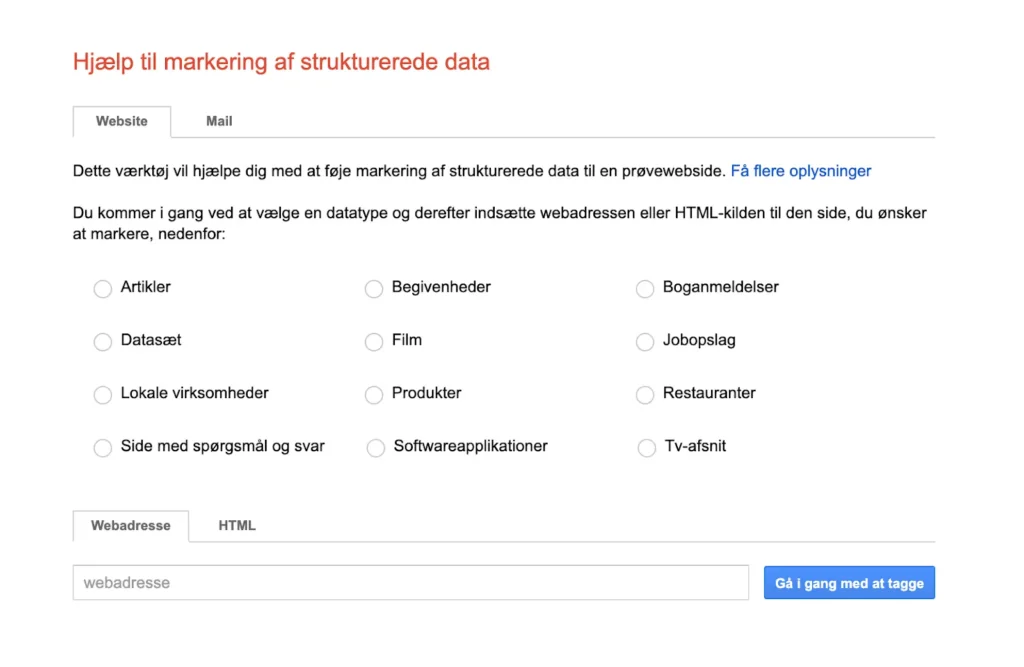
2. Generate JSON-LD code: Use a generator like Google’s Structured Data Markup Helper to generate your JSON-LD code.
3. Insert the code into your HTML: Place the JSON-LD script in the <head> or <body> section of the page where the data is located. You can also use different plugins, depending on the system your website is built on.
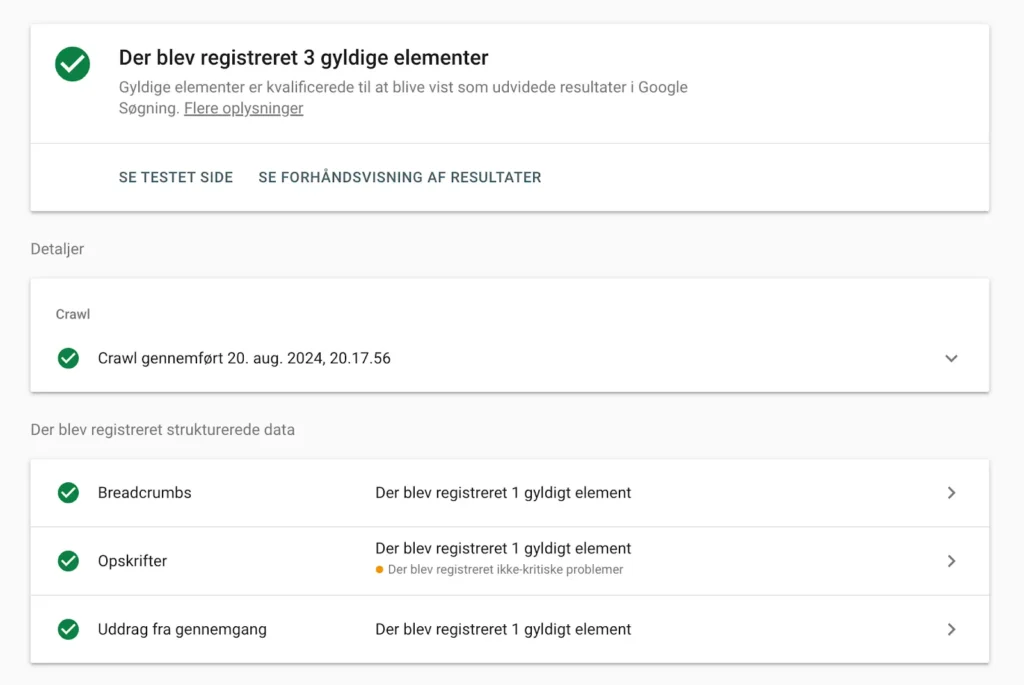
4. Test the code: Use Google’s Rich Results Test to ensure that your schema markup is implemented correctly. For example, it might look like this:
We are happy to help with the correct implementation of schema markup.
We know that implementing schema markup correctly can often be time-consuming and technical, which is why we always offer help and sparring for this. Please contact us if you want to fill more space in the search results and achieve rich snippets that we all have a hard time not clicking on. With structured data, you help search engines understand your content even better.
Frederik er CCO & Partner hos Acend. Hans fornemmeste opgave er, at holde et højt kommunikationsniveau mellem kunder og konsulenter, samt levere solide SEO strategier og holde os opdateret på den altid ændrende Google algoritme.
Do you want more organic traffic?
We are happy to look into your case. Contact us if you want to increase your online presence with SEO.